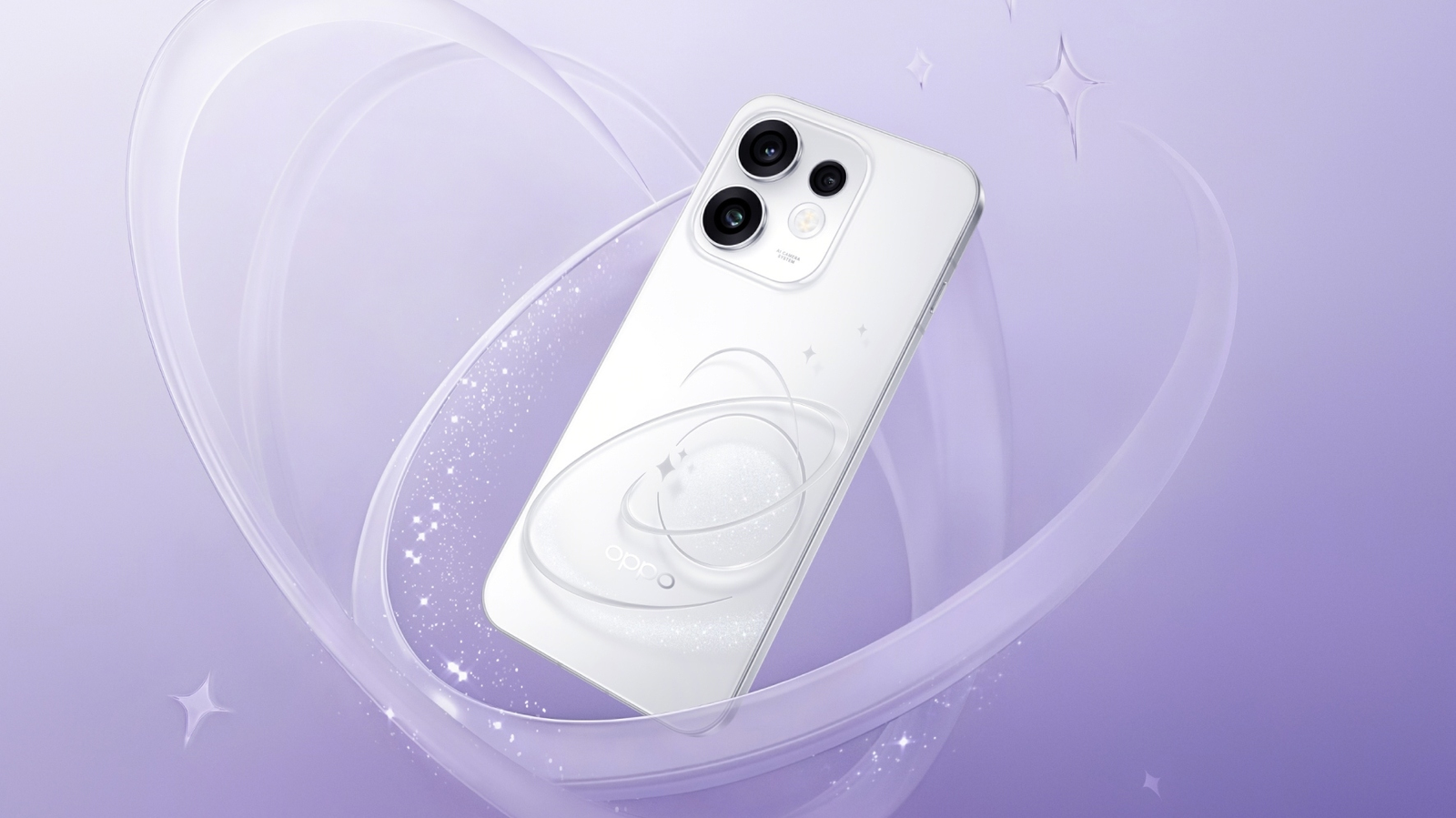
Discover why colour accuracy matters for Indian smartphone users and how the OPPO Reno16 Series delivers more natural-looking portraits.
Smartphone cameras have become the primary tool for capturing everyday moments, but image quality is no longer judged by sharpness alone. For many users, especially those who regularly share photos online, accurate skin-tone reproduction plays a major role in how natural and authentic a portrait looks. The importance of natural colour rendering has helped drive new innovations in mobile imaging.
This article will help you understand more about skin-tone accuracy in smartphone
Photography.
Why Accurate Skin Tones Matter More Than Ever
The evolution of smartphone photography
Modern smartphones use advanced sensors, AI processing, and computational photography to improve images instantly, while early smartphone cameras often focused on brighter, more vivid photos. With the development of smartphone photography, today’s users increasingly prefer portraits that reflect real-life colours and textures rather than heavily edited results.
Social sharing and authenticity
Social platforms have changed the way people view photography. Whether posting selfies, group shots, or lifestyle content, users want images that look genuine. Accurate skin tones can make portraits feel more personal, helping people present themselves authentically without relying on excessive filters.
See also: What to Put a Sauna Heater On: Pads, Decks, and Gravel for Small Spaces
Common Problems in Smartphone Portrait Photography
Over-brightened skin tones
One of the most common issues in portrait photography is automatic skin brightening. While intended to make subjects appear more flattering, it can often remove natural details and create an unrealistic look.
Over-saturation and colour shifts
Many smartphone cameras boost colours aggressively to make images stand out. The downside is that skin tones may appear too warm, too red, or unnaturally vibrant, reducing overall realism.
Why Indian Users Notice Colour Accuracy
Diverse lighting environments
From bright outdoor sunlight to indoor celebrations and evening street scenes, Indian users photograph themselves in a wide variety of lighting conditions. Maintaining consistent skin-tone accuracy across these environments remains a key challenge for smartphone cameras.
Representation across skin tones
India’s diversity means smartphone cameras must accurately render a broad range of complexions. Users increasingly expect portrait photos to reflect natural skin colour rather than applying a one-size-fits-all beauty effect.
How Modern Camera Systems Improve Portrait Results
Computational photography
Today’s smartphone cameras combine AI algorithms with multiple image exposures to improve subject detection, lighting balance, and facial detail. These enhancements help deliver cleaner and more accurate portrait photos.
Colour science and tone mapping
Advanced colour science allows camera systems to interpret different skin tones more
accurately, while intelligent tone mapping balances highlights and shadows without
dramatically altering natural appearance.
Smartphones Pushing the Conversation Forward
The rise of natural-tone imaging approaches
As consumer expectations shift toward authenticity, more smartphone brands are investing in imaging systems designed to preserve natural skin tones. Rather than prioritising dramatic colour enhancement, these systems focus on more realistic portrait rendering.
New expectations for portrait photography
For many buyers, a good smartphone camera is no longer just about megapixels. Realistic skin tones, reliable colour reproduction, and socially shareable portraits are becoming major purchase considerations.
The OPPO Reno16 Series: How to Make a Phone Good for Portrait Photography
As smartphone users place greater importance on authentic portraits, manufacturers are investing in technologies that preserve natural skin tones rather than relying on aggressive beautification. The OPPO Reno16 Series takes this approach by combining portrait-focused hardware with AI-powered imaging features designed for more realistic results. The series is positioned around the Trend-Setting AI Portrait Camera experience, with a particular emphasis on Natural Tone Imaging for more accurate skin-tone reproduction.
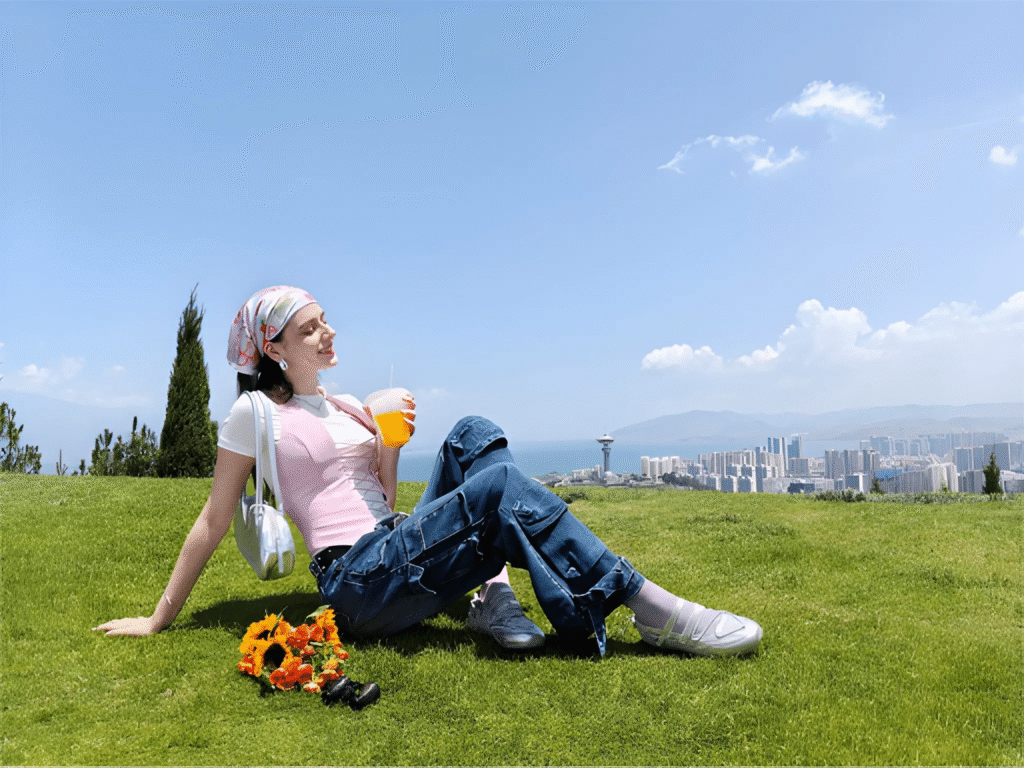
OPPO Reno16 5G: Portrait Photography with Natural Tone Imaging
The OPPO Reno16 5G pairs its all-50MP camera system with Natural Tone Imaging, helping portraits maintain consistent colour and realistic-looking skin tones across different lighting conditions. Its camera setup includes a 50MP Ultra-Clear Main Camera, 50MP 3.5x Telephoto Vibe Portrait, 50MP Ultra-Wide, and 50MP Ultra-Wide Selfie Camera, making it a strong option for users who prioritise portrait and selfie photography.
For social-first users, the device also supports advanced creative tools such as AI Remix Collage, enabling users to create shareable content directly from their photos and videos.
OPPO Reno16c 5G: Natural Portraits for Everyday Photography
The OPPO Reno16c 5G extends the portrait-focused experience with its own combination of telephoto photography and AI-enhanced imaging. The device features a 50MP Ultra-Clear Main Camera, 50MP 3.5x Telephoto, 8MP Ultra-Wide, and 50MP Ultra-Wide Selfie Camera, offering versatile shooting options while maintaining a focus on natural-looking portraits.
Like its sibling, the Reno16c 5G benefits from the series’ portrait philosophy, helping users capture more authentic skin tones that better reflect real-world appearance. It also combines a large 7000mAh Battery with 80W SUPERVOOC, supporting content creation throughout the day.
Reflecting the Shift Toward More Authentic Portrait Photography
The OPPO Reno16 Series illustrates a broader industry trend: consumers are increasingly looking for cameras that can accurately represent different skin tones instead of applying heavy colour enhancements. Through features such as Natural Tone Imaging, the trend-setting AI Portrait Camera, 3.5x Telephoto Vibe Portrait, and AI Remix Collage, the series aligns with growing demand for realistic, social-ready smartphone photography.