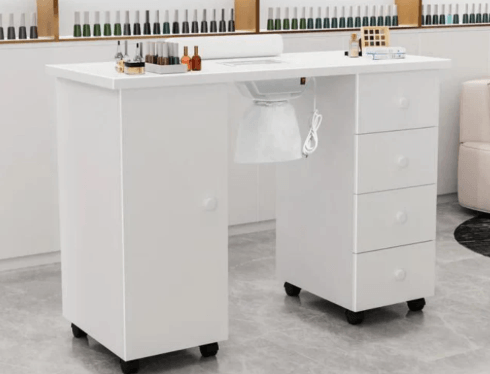
The beauty industry continues to grow rapidly, and nail salons are becoming more advanced in both design and functionality. Among all salon furniture items, manicure tables are considered one of the most essential investments. Their size, structure, and layout directly impact customer comfort and technician performance. For this reason, learning about proper manicure table dimensions is extremely important before setting up a nail salon or upgrading salon furniture.
A manicure table is more than a decorative workstation. It serves as the main area where nail technicians perform detailed treatments for long hours every day. If the dimensions are not suitable, both clients and employees may experience discomfort. A well-sized table creates better organization, supports smooth workflow, and improves the overall appearance of the salon.
Today’s salon owners carefully select manicure stations based on available space, customer traffic, and operational needs. From compact nail desks to luxurious custom stations, dimensions vary according to salon style and service requirements.
Importance of Proper Manicure Table Sizing
Choosing the correct manicure table size helps create a balanced and efficient salon environment. Tables that are too small often lead to crowded workspaces, while oversized stations can reduce movement inside the salon.
Correct sizing provides several advantages:
- Better technician posture during treatments
- Comfortable hand placement for clients
- Enough room for nail equipment and supplies
- Improved organization and cleanliness
- Easier movement throughout the salon
When salon furniture fits properly within the available area, the entire space feels more professional and welcoming.
Typical Dimensions of a Manicure Table
Most manicure stations follow common industry measurements designed for practical daily use. Although manufacturers offer many styles, standard sizing remains relatively consistent.
Average manicure table measurements usually include:
- Length: 36 to 50 inches
- Width: 18 to 24 inches
- Height: 28 to 30 inches
These dimensions are considered suitable for most nail salons. However, specialized tables may be larger depending on storage features and equipment integration.
Compact tables are often selected for small salons or personal nail studios, while larger units are preferred in high-traffic beauty centers.
Finding the Right Table Length
The length of the manicure table determines the amount of working surface available for nail technicians. A longer table gives more room for organizing tools, nail polish, UV lamps, and accessories.
Small nail salons often use shorter tables around 36 inches long to save space. Medium and luxury salons usually choose stations between 42 and 50 inches because they support better organization during busy hours.
A balanced table length improves communication between technician and client by keeping both individuals at a comfortable distance.
Ideal Width for Nail Workstations
Table width also plays an important role in salon comfort and efficiency. Standard manicure tables generally range from 18 to 24 inches wide.
Narrow stations may feel cramped when multiple tools are used during treatments. Wider tables offer extra workspace but require more salon floor area.
Many salon owners prefer medium-width tables because they provide enough space for daily tasks while maintaining an open salon layout.
Comfortable Height for Daily Use
Height is one of the most important ergonomic factors when selecting manicure tables. Most professional stations are built between 28 and 30 inches tall.
The correct height helps nail technicians maintain proper posture during long appointments. Incorrect table height can lead to neck strain, shoulder pain, and back discomfort over time.
Some advanced manicure stations now include adjustable height features. These models allow technicians to customize the workstation according to their personal comfort needs.
Space Management Inside Nail Salons
Understanding manicure table dimensions also helps salon owners plan interior layouts effectively. Proper spacing between stations creates a comfortable environment for employees and customers.
Professional salon designers recommend leaving at least three feet of walking space around each workstation. This improves movement and reduces crowding during busy business hours.
Before installing manicure tables, salon owners should consider:
- Total room dimensions
- Entry and exit pathways
- Reception area placement
- Technician seating space
- Electrical outlet locations
A carefully planned layout increases salon efficiency and improves customer satisfaction.
Compact Manicure Tables for Small Spaces
Not every salon has a large floor area. Many beauty businesses operate in compact commercial spaces or home studios. In such cases, smaller manicure tables become an excellent solution.
Compact stations usually include:
- Slim tabletop surfaces
- Lightweight construction
- Basic storage drawers
- Portable designs
These tables help maximize limited space while still providing essential functionality.
Small manicure tables are also popular among freelance nail technicians who offer mobile beauty services.
Luxury Manicure Stations
High-end salons often invest in luxury manicure tables that combine elegance with advanced functionality. These premium stations usually feature larger dimensions and additional accessories.
Luxury manicure tables may include:
- Built-in ventilation systems
- LED lighting
- Glass countertops
- Marble finishes
- Multiple storage cabinets
- Charging ports and power outlets
Because of these features, luxury stations generally require more installation space compared to standard models.
Built-In Storage Considerations
Storage is another factor that affects manicure table dimensions. Nail technicians use a wide range of products and tools every day, so organized storage is extremely important.
Modern manicure tables may contain:
- Side drawers
- Open shelves
- Product organizers
- Towel compartments
- Cabinet doors
Additional storage increases table size slightly but improves overall organization and productivity.
Salons handling high customer volume often prefer stations with expanded storage capacity.
Ventilated Nail Tables
Air quality has become a major concern in modern nail salons. Many manicure tables now feature integrated ventilation systems that remove dust and chemical particles during nail treatments.
Ventilated manicure stations are slightly larger because they contain filtration equipment beneath the tabletop.
Benefits of ventilated tables include:
- Cleaner salon environment
- Reduced airborne dust
- Better technician health
- Improved customer comfort
These advanced systems are especially valuable in busy salons where acrylic and gel services are frequently performed.
Choosing Durable Materials
The materials used in manicure tables influence durability, maintenance, and appearance. Strong construction ensures the station remains stable during years of daily use.
Popular materials include:
- Engineered wood
- Stainless steel
- Tempered glass
- Laminate finishes
- Stone surfaces
Durable materials may increase furniture weight and thickness, but they provide better long-term value.
Luxury salons often choose premium materials to create a stylish and modern interior atmosphere.
Customized Nail Stations
Some salon owners prefer customized manicure tables designed specifically for their workspace. Custom dimensions help maximize efficiency when working with unusual room layouts or special service requirements.
Custom stations are ideal for salons that need:
- Extra storage
- Unique color themes
- Larger work surfaces
- Specialized equipment placement
Although custom furniture may cost more, it offers flexibility and personalized functionality.
See also: Modern Glass & Mirror Shop Trends Transforming Stylish Spaces
Final Words
Selecting suitable manicure table dimensions is essential for creating a comfortable and efficient nail salon. Proper sizing improves technician performance, supports customer relaxation, and helps maintain organized workstations.
Whether choosing compact furniture for a small studio or luxury stations for a premium beauty salon, dimensions should always match the salon’s operational needs and available space.
A thoughtfully designed manicure table contributes to smoother workflow, better customer experiences, and a more professional salon environment. By understanding standard measurements and modern salon trends, business owners can make smarter furniture decisions that support long-term success.