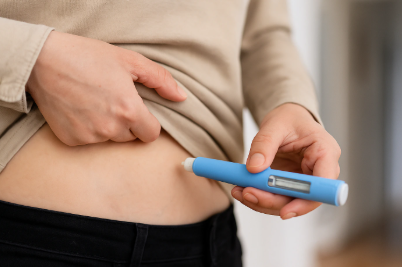
Semaglutide microdosing has become a topic of growing interest for many seeking alternatives in metabolic health management and weight support. Understanding the real costs and access challenges involved is crucial before considering this approach. In short, semaglutide microdosing offers a potentially lower-dose regimen that might reduce side effects and costs compared to standard dosing, but it also involves tradeoffs in terms of medication availability, insurance coverage, and dosing precision.
What Is Semaglutide Microdosing?
Semaglutide is a medication originally developed for type 2 diabetes and later found to assist with weight management. Microdosing refers to using smaller doses than the standard prescribed amount, often initiated gradually to improve tolerability or reduce side effects. This approach has attracted attention as a way to potentially lower overall medication expense while maintaining some therapeutic benefits.
Cost Factors Influencing Semaglutide Microdosing
The price of semaglutide varies widely depending on factors like insurance coverage, pharmacy pricing, and the format of the medication-injectable pens or compounded formulations. Microdosing may reduce the amount of drug used daily, which in theory could lower monthly medication costs. However, this is complicated by the fact that many insurance plans do not cover off-label dosing strategies, and compounding pharmacies that offer microdosed versions may charge a premium for customized formulations. Additionally, the absence of standard dosing means patients might need more frequent consultations or monitoring, adding indirect costs.
Access and Availability Considerations
Access to semaglutide for microdosing is influenced by regulatory approvals and prescribing practices. Since microdosing is not an FDA-approved standard use, many healthcare providers hesitate to prescribe it. This can push interested individuals toward compounding pharmacies or online suppliers, which may not have consistent quality control or reliable supply. Geographic location also plays a role, as compounding pharmacies with expertise in peptide medications are not evenly distributed. In some cases, the requirement for prescriptions and specialist oversight limits easy access.
Evaluating the Tradeoffs in Choosing Microdosing
Deciding whether semaglutide microdosing fits your situation requires balancing potential benefits against practical hurdles. Microdosing may reduce medication volume and side effects, but it can increase complexity in dosing schedules and monitoring. Cost savings might be offset by higher consultation fees or premium compounding charges. Access barriers may delay initiation or create interruptions in supply. It is therefore essential to consider personal priorities such as tolerance for side effects, financial constraints, and ability to maintain regular medical follow-up.
Practical Framework for Assessing Semaglutide Microdosing Options
When evaluating semaglutide microdosing, consider these key criteria:
1. Cost Transparency: Obtain detailed pricing from pharmacies or providers, including compounding fees and consultation costs.
2. Coverage and Reimbursement: Check whether your insurance plan supports semaglutide and if microdosing is recognized.
3. Provider Expertise: Seek healthcare professionals familiar with peptide therapies and microdosing protocols.
4. Formulation Quality: Confirm the source of the medication meets quality and safety standards.
5. Monitoring Requirements: Understand the frequency of follow-ups needed to adjust dosing safely.
6. Personal Health Goals: Align the dosing strategy with realistic expectations and lifestyle factors.
Exploring Resources and Further Reading
For a comprehensive overview of semaglutide microdosing, including cost breakdowns and dosing insights, this FormBlends breakdown offers a practical guide for those considering this approach. It can help clarify common questions and provide a clearer picture of what to expect.
Frequently Asked Questions
Is semaglutide microdosing FDA-approved?
No, microdosing strategies are generally considered off-label uses and are not specifically approved by the FDA. Patients should consult healthcare providers before starting such regimens.
Can microdosing reduce side effects?
Some proponents suggest that lower initial doses may improve tolerability, but individual responses vary, and scientific evidence is still emerging.
How does insurance affect semaglutide microdosing affordability?
Insurance coverage often applies to standard dosing regimens. Microdosing may not be covered, leading to higher out-of-pocket expenses.
Final Note
This article serves informational purposes only and should not substitute for professional medical advice, diagnosis, or treatment. Always consult a qualified healthcare provider regarding any medication or dosing changes.
What to verify before acting
Before a reader relies on any comparison about microdosing semaglutide, the safest move is to confirm the basics directly. Check when the page was last updated, whether the criteria are explained clearly, and whether the recommendation separates facts from marketing claims. It also helps to compare total cost, access requirements, support, refund language, and any limits that could change the real-world value of an option.
The goal is not to find a perfect answer from one article. The goal is to narrow the search to a short list, understand the tradeoffs, and know which questions to ask next. That approach is slower than clicking the first result, but it usually produces a better decision and reduces the chance of being pulled in by a page that ranks well without explaining enough.