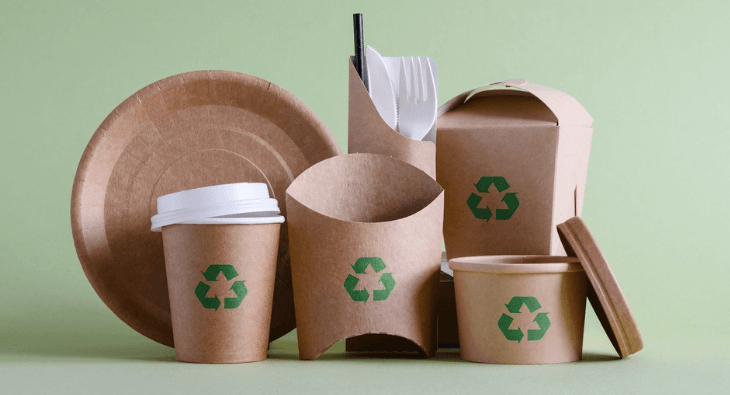
In today’s global packaging industry, innovation and performance are key factors that determine product success. As consumer demand increases for lightweight, durable, and eco-friendly packaging, manufacturers are shifting toward advanced materials. One of the most important innovations in this field is flexible laminates in packaging.
Flexible laminates are widely used across food, pharmaceutical, cosmetic, and industrial packaging sectors. They provide a perfect balance of strength, barrier protection, and visual appeal, making them a preferred choice for modern packaging solutions.
What Are Flexible Laminates in Packaging?
Flexible laminates in packaging refer to multi-layer materials created by bonding two or more flexible substrates together. These layers can include plastic films, aluminum foil, paper, and specialized coatings.
The main purpose of these laminates is to combine the best properties of each material into one strong and functional packaging solution. For example, one layer may provide strength, another may offer moisture resistance, while another enhances print quality.
This combination results in packaging that is lightweight yet highly protective.
Importance of Flexible Laminates in Modern Packaging Industry
Packaging is no longer just about holding products; it is also about protection, branding, and sustainability. Flexible laminates play a critical role in meeting these modern requirements.
Key importance factors include:
- Strong barrier protection against moisture and oxygen
- Extended shelf life of products
- Lightweight structure for easy transportation
- Attractive surface for high-quality printing
- Cost-effective packaging solution
- Versatility across different industries
These benefits make flexible laminates an essential part of modern packaging systems.
Structure of Flexible Laminates
Flexible laminates are made by combining different layers, each serving a specific function.
Outer Layer
Provides protection, printability, and resistance against external damage such as scratches and UV light.
Middle Layer
Acts as a barrier layer, often made of aluminum foil or specialized films to block oxygen, moisture, and light.
Inner Layer
Ensures product safety and compatibility, especially for food and pharmaceutical applications.
This multi-layer structure enhances overall packaging performance.
How Flexible Laminates Are Manufactured
The manufacturing process of flexible laminates involves advanced lamination technology and precise control systems.
Material Selection
Different materials are selected based on packaging requirements such as durability, flexibility, and barrier protection.
Printing Process
High-quality printing is applied to the outer layer for branding and product information.
Lamination Process
Layers are bonded together using adhesives, heat, or solvent-free lamination systems.
Curing and Drying
The laminated material is cured to ensure strong bonding and stability.
Slitting and Finishing
The final laminated rolls are cut into required sizes for packaging production.
This process ensures high-quality and consistent output.
Types of Flexible Laminates in Packaging
Different types of flexible laminates are used depending on product requirements.
Two-Layer Laminates
Simple structure used for basic packaging needs.
Three-Layer Laminates
Provides enhanced protection and durability.
Multi-Layer Laminates
Used in high-performance packaging such as pharmaceuticals and food products.
Metalized Laminates
Include aluminum layers for superior barrier protection.
Eco-Friendly Laminates
Designed using recyclable or biodegradable materials.
Each type is developed for specific industrial applications.
Applications of Flexible Laminates in Packaging
Flexible laminates are widely used across multiple industries due to their adaptability.
Food Packaging Industry
Used for snacks, frozen food, beverages, and ready-to-eat meals.
Pharmaceutical Industry
Ensures safe packaging for medicines and medical supplies.
Cosmetic Industry
Used for creams, lotions, and personal care products.
Industrial Packaging
Protects chemicals, fertilizers, and industrial goods.
Agricultural Products
Used for seeds, fertilizers, and pesticide packaging.
This wide application range shows their industrial importance.
Advantages of Flexible Laminates in Packaging
Flexible laminates offer several benefits that make them a preferred choice in packaging.
Excellent Barrier Protection
Protects products from moisture, air, and contamination.
Lightweight Material
Reduces transportation and storage costs.
High Print Quality
Provides attractive surface for branding and marketing.
Strong Durability
Improves product safety during handling and transport.
Cost Efficiency
Reduces overall packaging and logistics expenses.
Design Flexibility
Can be customized into various shapes and sizes.
Technological Advancements in Flexible Lamination
Modern packaging technology has significantly improved the quality of flexible laminates.
Key advancements include:
- Solvent-free lamination technology
- High-speed extrusion systems
- Digital printing integration
- Smart quality control systems
- Eco-friendly adhesive solutions
- Advanced barrier coating materials
These innovations help improve efficiency and sustainability in packaging production.
Role in Modern Packaging Industry
Flexible laminates have transformed the global packaging industry by providing advanced solutions that meet both functional and aesthetic requirements.
They help industries achieve:
- Longer product shelf life
- Better brand presentation
- Reduced packaging weight
- Improved supply chain efficiency
This makes them an essential component of modern packaging systems.
Environmental Impact of Flexible Laminates
Sustainability is becoming a major concern in packaging industries. Flexible laminates are now being developed with eco-friendly approaches.
Environmental benefits include:
- Reduced material usage
- Lightweight structure lowers carbon emissions
- Recyclable and biodegradable options
- Reduced packaging waste
- Energy-efficient production processes
These improvements support global sustainability goals.
Challenges in Flexible Laminates Packaging
Despite their benefits, there are some challenges:
- Recycling complexity of multi-layer materials
- High production technology cost
- Requirement for advanced machinery
- Limited compatibility in some recycling systems
However, ongoing innovation is addressing these issues.
See also: Top Reasons to Purchase a Lantern Skylight for Your Home Extension
Future of Flexible Laminates in Packaging
The future of flexible laminates is focused on sustainability, innovation, and smart packaging solutions.
Future trends may include:
- Fully recyclable multi-layer structures
- Bio-based lamination materials
- Smart packaging with digital tracking
- AI-based production optimization
- Ultra-thin high-barrier films
These advancements will further transform the packaging industry.
Conclusion
Flexible laminates in packaging are a revolutionary solution that combines durability, flexibility, and high-performance protection. They are widely used in food, pharmaceutical, cosmetic, and industrial packaging due to their versatility and efficiency.
With continuous technological advancements and increasing demand for sustainable solutions, flexible laminates will continue to play a major role in shaping the future of the global packaging industry.