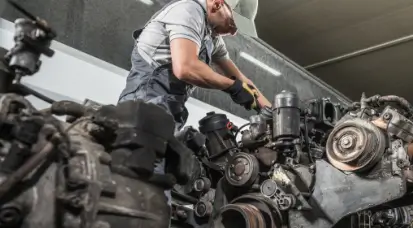
Power generation systems are the backbone of industrial operations, utilities, and critical infrastructure. When generators fail or underperform, the consequences can be costly—ranging from production downtime to safety risks. That’s why understanding generator repair, the workflow behind it, and the importance of high-quality generator components is essential for operators, engineers, and maintenance teams.
Whether you’re searching for a generator repair service near me or planning long-term maintenance strategies, this comprehensive guide will walk you through everything you need to know—from common generator failures to the role of new and refurbished components in ensuring optimal performance.
Understanding Generator Repair: Why It Matters
Generator repair is not just about fixing a broken machine—it’s about restoring performance, ensuring reliability, and preventing future failures. Modern generators are complex systems consisting of electrical, mechanical, and thermal components that must work in perfect synchronization.
Even minor issues, if left unaddressed, can escalate into major failures requiring extensive repairs. That’s why timely and professional generator repair services are critical for maintaining operational efficiency.
Common Generator Failures and Their Causes
Before diving into repair workflows, it’s important to understand the most common issues that affect generators. Identifying these problems early can significantly reduce repair costs and downtime.
1. Stator and Rotor Failures
The stator and rotor are core generator components responsible for energy conversion. Failures in these parts can result from insulation breakdown, overheating, or electrical faults.
2. Bearing Wear and Damage
Bearings support rotating parts and reduce friction. Over time, they can wear out due to poor lubrication, contamination, or misalignment, leading to vibration and eventual failure.
3. Insulation Degradation
Electrical insulation protects generator windings. Exposure to heat, moisture, and contaminants can degrade insulation, increasing the risk of short circuits.
4. Cooling System Issues
Generators generate significant heat during operation. Faulty cooling systems can lead to overheating, which accelerates wear and damages critical components.
5. Excitation System Malfunctions
The excitation system controls voltage output. Failures here can cause unstable power supply or complete generator shutdown.
6. Mechanical Misalignment
Improper alignment of rotating parts can cause excessive vibration, leading to premature wear of generator components.
Understanding these failure points helps maintenance teams take a proactive approach to repairs and replacements.
See also: Best Flooring Options for Modern Homes
The Generator Repair Workflow: Step-by-Step
Professional generator repair follows a structured process to ensure accuracy, efficiency, and long-term reliability. Here’s a breakdown of the typical workflow:
1. Initial Inspection and Diagnosis
The repair process begins with a detailed inspection of the generator. Technicians use advanced diagnostic tools to identify the root cause of the problem.
Key activities include:
- Visual inspection for physical damage
- Electrical testing of windings and insulation
- Vibration and thermal analysis
- Review of operational history
Accurate diagnosis is crucial because it determines the scope of the repair and prevents unnecessary work.
2. Disassembly and Component Evaluation
Once the issue is identified, the generator is carefully disassembled. Each component is inspected for wear, damage, or defects.
Technicians evaluate:
- Rotors and stators
- Bearings and seals
- Shafts and couplings
- Cooling and lubrication systems
This step helps determine which parts can be repaired, refurbished, or replaced.
3. Repair, Refurbishment, or Replacement
Based on the evaluation, technicians decide the best course of action:
- Repair: Minor issues are fixed without replacing the component
- Refurbishment: Worn parts are restored to like-new condition
- Replacement: Severely damaged components are replaced with new or refurbished alternatives
This stage is where the choice of high-quality generator components becomes critical.
4. Reassembly and Alignment
After repairs are completed, the generator is reassembled with precision. Proper alignment of all components is essential to ensure smooth operation and prevent future issues.
5. Testing and Quality Assurance
Before returning the generator to service, it undergoes rigorous testing to verify performance and reliability.
Tests may include:
- Electrical performance testing
- Load testing
- Vibration analysis
- Thermal imaging
This ensures that the generator meets operational standards and is ready for deployment.
6. Installation and Field Services
Many generator repair providers also offer on-site installation and commissioning services. This ensures that the repaired generator is properly integrated into the system and operates efficiently from day one.
The Role of High-Quality Generator Components
The success of any generator repair depends heavily on the quality of the components used. Poor-quality parts can lead to recurring failures, increased maintenance costs, and reduced efficiency.
High-quality generator components—whether new or refurbished—offer several key benefits:
1. Improved Reliability
Quality components are designed to withstand demanding operating conditions, reducing the likelihood of unexpected failures.
2. Enhanced Performance
Well-engineered parts ensure optimal energy conversion, stable output, and efficient operation.
3. Longer Service Life
Durable components extend the lifespan of the generator, reducing the frequency of repairs.
4. Lower Maintenance Costs
Reliable parts require less frequent maintenance, saving time and money over the long term.
New vs Refurbished Components: Which Is Better?
One of the most important decisions in generator repair is choosing between new and refurbished components. Both options have their advantages, and the right choice depends on your specific needs.
New Components
Advantages:
- Manufactured to original specifications
- Ideal for critical or high-risk applications
- Typically come with warranties
Considerations:
- Higher cost
- Longer lead times for delivery
Refurbished Components
Advantages:
- Cost-effective alternative to new parts
- Faster availability
- Restored to meet or exceed OEM standards
- Environmentally sustainable
Considerations:
- Requires a trusted provider to ensure quality
Modern refurbishment processes involve advanced engineering, precision machining, and rigorous testing. In many cases, refurbished components deliver performance comparable to new parts at a fraction of the cost.
How Quality Components Reduce Generator Repair Costs
Investing in high-quality generator components—especially refurbished ones—can significantly reduce overall repair costs.
1. Fewer Breakdowns
Reliable components minimize the risk of unexpected failures, reducing emergency repair expenses.
2. Reduced Downtime
High-quality parts ensure consistent operation, preventing costly production interruptions.
3. Lower Lifecycle Costs
Durable components last longer, reducing the need for frequent replacements.
4. Efficient Maintenance Planning
With reliable parts, maintenance can be scheduled proactively rather than reactively.
Choosing the Right Generator Repair Service Near Me
When searching for a generator repair service near me, it’s important to select a provider with the right expertise and capabilities.
Look for a service provider that offers:
- Comprehensive diagnostic and repair services
- Expertise in both mechanical and electrical systems
- Access to high-quality new and refurbished components
- Advanced testing and quality assurance processes
- On-site field services and support
A full-service provider ensures that every aspect of the repair process is handled efficiently and professionally.
The Value of Full-Service Repair Capabilities and Field Support
Leading service providers offer end-to-end solutions that go beyond basic repairs. These capabilities include:
1. Engineering and Technical Expertise
Experienced engineers can analyze complex issues and recommend the most effective solutions.
2. Component Refurbishment
In-house refurbishment capabilities allow for faster turnaround times and cost savings.
3. Field Services
On-site support ensures that repairs, installations, and maintenance are carried out efficiently.
4. Preventive Maintenance Programs
Comprehensive maintenance plans help prevent failures and extend equipment life.
By partnering with a provider that offers these services, operators can ensure long-term reliability and performance.
Best Practices for Maintaining Generator Performance
To get the most out of your generator and minimize repair needs, consider the following best practices:
- Conduct regular inspections and diagnostics
- Replace worn components before failure
- Use high-quality generator components
- Maintain proper lubrication and cooling systems
- Monitor vibration and temperature levels
- Work with experienced repair professionals
These strategies help ensure that your generator operates efficiently and reliably over its lifespan.
Conclusion
Generator repair is a critical aspect of maintaining reliable power generation systems. From diagnosing common failures to executing precise repair workflows, every step plays a vital role in restoring performance and preventing future issues.
At the heart of successful repairs are high-quality generator components. Whether new or refurbished, these parts determine the reliability, efficiency, and longevity of the system. By choosing the right components and working with a trusted generator repair service near me, operators can significantly reduce downtime, lower costs, and extend the life of their equipment.
In an industry where every minute of uptime matters, investing in quality repairs and components is not just a necessity—it’s a strategic decision that drives long-term success.