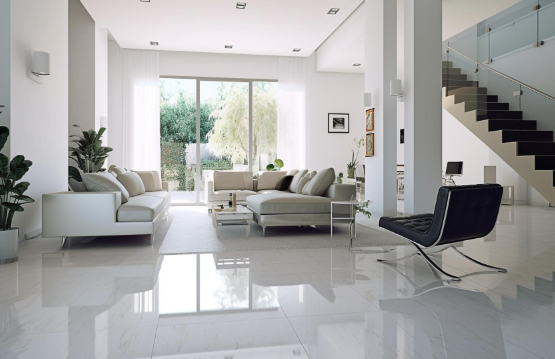
Modern homes favor flooring that supports open plans, with seamless transitions across living, dining, and work zones. Durable, low-maintenance choices like engineered hardwood, luxury vinyl plank, and porcelain tile keep pace with high traffic while maintaining a refined look. Comfort, acoustics, and warmth are addressed through textures and underfoot feel, complemented by sound-damping layers. As installers weigh lifecycle value and installation practicality, options converge toward versatile finishes that withstand wear and sprawl—yet the best fit remains to be determined.
Which Flooring Fits Modern Open Plans
In modern open-plan layouts, flooring choices should unify spaces while accommodating distinct zones. The selection emphasizes modern aesthetics and open plan flow, prioritizing seamless transitions between living, dining, and work areas. Durable alternatives offer performance without sacrificing style, while sustainability considerations guide material life cycles. Maintenance routines are streamlined, ensuring longevity, consistency, and minimal interruption to evolving interiors.
Durable, Low-Maintenance Options for High-Traffic Areas
Durable, low-maintenance flooring options for high-traffic areas prioritize resilience without compromising aesthetics, offering materials that resist scuffs, stains, and wear while maintaining a refined surface.
This approach favors durable materials and proven performance, including scratch-resistant options and sealed surfaces.
Low maintenance finishes simplify upkeep, enabling clean lines, long life, and freedom to reimagine spaces without frequent replacement or intensive care.
Comfort, Acoustics, and Warmth for Living Spaces
Comfort, acoustics, and warmth in living spaces balance comfort with performance, ensuring that flooring choices support quiet, cozy rooms without sacrificing style. Material selection influences ambient sound, underfoot feel, and thermal feel, enabling flexible layouts and expressive decor. Focusing on durable textures, layered rugs, and dense fibers enhances comfort acoustics, warmth living rooms, while maintaining modern aesthetics and adaptable, noise-sensitive environments.
Budget, Installation, and Long-Term Value Considerations
Budget, installation, and long-term value considerations shape the practicality of flooring choices for modern homes, balancing upfront costs with ongoing maintenance and durability.
A measured assessment contrasts budget durability across materials, noting resilience and repair needs.
Installation cost varies by product and project scope, influencing decision speed.
Strategic selection favors durability, renovation ease, and total lifecycle savings over transient trends.
Frequently Asked Questions
How Does Flooring Affect Home Resale Value?
Which flooring influences resale value by signaling durability and upkeep. Undercarpet heating enhances comfort and efficiency, while selecting timeless materials supports market appeal. The choice reflects taste and practicality, shaping perceived value, longevity, and buyer freedom in future renovations.
See also: Crypto as a Tool for Financial Freedom
Which Flooring Supports Underfloor Heating Best?
A hypothetical retrofit shows stone tile performing well with underfloor compatibility and high heat transfer efficiency. Ceramic or porcelain tile offers strong conduction, while vinyl with proper underlayment also works; caution is needed for thick natural stone.
Are Eco-Friendly Materials as Durable as Conventional Options?
Eco friendly materials can be as durable as conventional options, though choices vary by product and installation. The trend favors resilient, long-lasting options, with proper maintenance ensuring durability while supporting sustainable design and personal freedom in style and performance.
How Often Should High-Traffic Floors Be Refinished?
Like a clockwork floor, it depends on traffic; high-traffic areas typically need refinished frequency every 3–5 years. Durability comparison favors seasoned finishes, while underfloor heating compatibility supports selection; overall guidance notes routine maintenance without over-fortification for freedom-seeking spaces.
Can Flooring Influence Indoor Air Quality Significantly?
Flooring can influence indoor air quality; higher VOC emissions from materials and finishes may affect occupants, while moisture resistance reduces mold risk. Strategic choices emphasize low-emission options and durable moisture resistance for a freer, healthier living environment.
Conclusion
In modern open-plan homes, cohesive transitions and lasting performance define flooring choices. Engineered hardwood, luxury vinyl planks, and porcelain tile offer durable, low-maintenance solutions that suit high-traffic zones while preserving warmth and acoustics. A telling stat: resilient vinyl can outlast traditional options by up to 2–3 times in busy areas, underscoring value beyond price. When selecting finishes, prioritize wear resistance and stain tolerance to sustain aesthetics through renovations, ensuring a timeless, trend-aware foundation for flexible living environments.